

A quick TL;DR before we get into it:
An install is only the beginning. Follow users through to funding, transactions and repeat use to see where growth is actually happening.
Stickiness needs shared ownership. Product, marketing and tech need common goals and a consistent view of what users do.
Give every message a reason to exist. Behaviour and timing matter more than filling a campaign calendar.
Make the first experience worth repeating. Onboarding, support and the journey after a tap all influence whether someone comes back.
At AGSA in Lagos, Maxime Calot asked the room to count the banking and fintech apps on their phones. Three? Five? Eight?
It was a useful place to start. Before a brand can become someone’s primary app, it has to understand the company it keeps on their home screen.
On 6 November, App Growth Summit Africa made its Lagos debut for our fifth edition. A week later, on 13 November, we were back in Cape Town for the sixth. Both events explored Engineering Stickiness: How Product, Marketing and Tech Teams Build High-LTV Apps in 2026.
Hosted by Welcome Tomorrow and YOUKNOW, with partners Amplitude, OneSignal and Adjust, the two editions approached that challenge through the realities of each market.
Maxime, Welcome Tomorrow’s CEO, spoke at both events, taking the conversation from Nigeria’s crowded banking landscape to South Africa’s loyalty programmes, shopping habits and competition for screen time. Alex Hoyland from YOUKNOW also joined us in both cities, with a reminder that even getting a notification seen now takes some work.
Here’s how those conversations came together.
First stop, Lagos: becoming the account people actually use
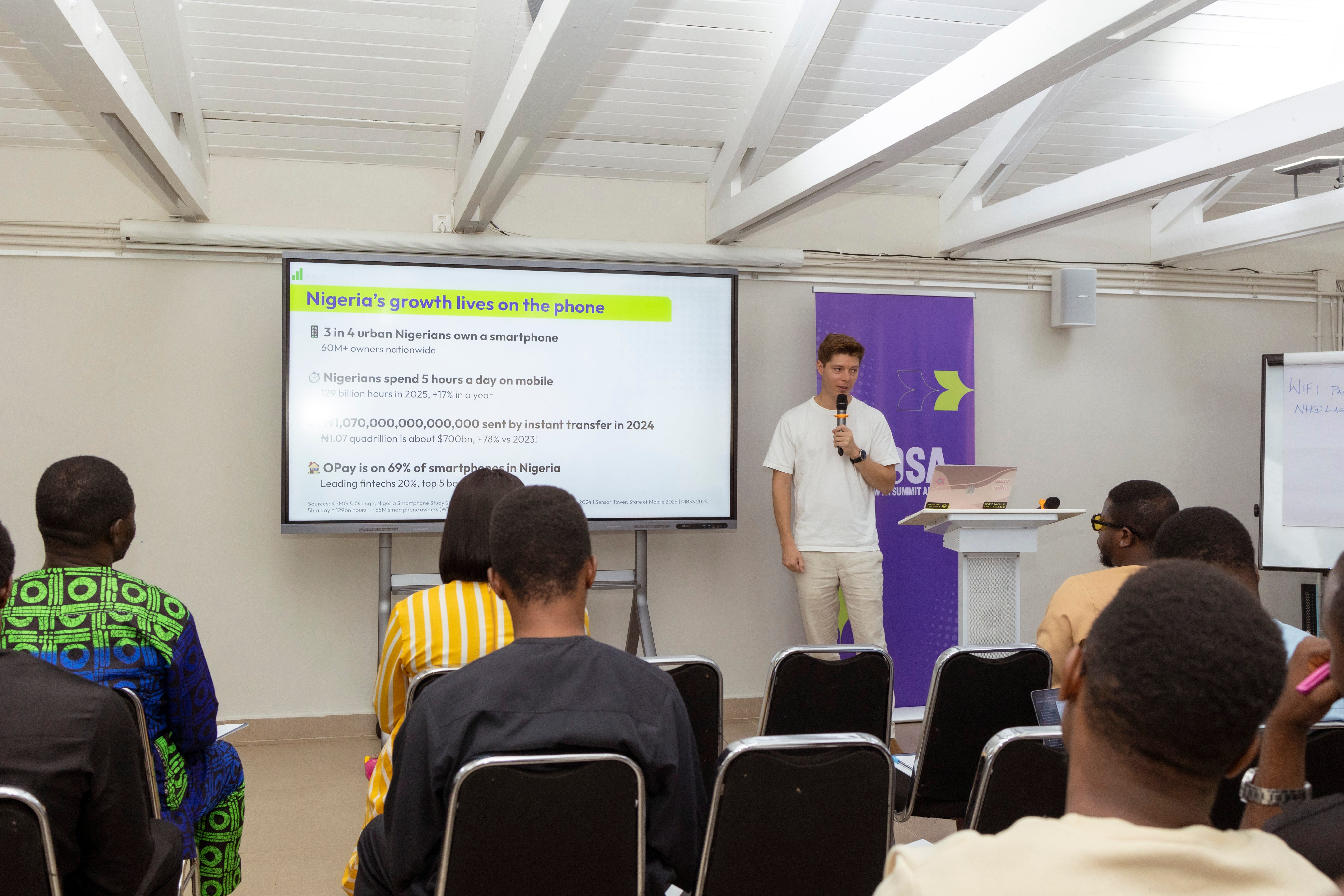
The figures Maxime shared gave his opening question some context. Banked Nigerians hold around five bank accounts each. Your customer may have downloaded your app quite happily and still be doing most of their banking somewhere else.
His illustrative fintech funnel followed 1,000 installs through 550 registrations, 350 completed KYC journeys and 180 funded accounts. By the time it reached users on two or more products, just 10 remained.
There is a lot of distance between being downloaded and becoming useful.
Maxime’s point was that teams often put most of their budget and effort into the first two steps, then lose sight of the journey that follows. Marketing has its acquisition numbers. Product has its roadmap. Tech has a queue of requests. Meanwhile, someone has completed KYC and still hasn’t found a compelling reason to fund their account.
He proposed three shared measures to keep that user in view:
Activation: The proportion of new users who fund within seven days.
Habit: Monthly transacting users.
Expansion: Products used per active user.
From there, the work becomes much more specific. A user who completed KYC yesterday but hasn’t funded can enter a journey that helps them do exactly that. Once they fund, they leave that journey. The ads and messages should reflect their progress, too.
A holdout group receives no intervention, giving the team a way to see whether all this activity actually helped. Useful to know before everyone celebrates the campaign.
What do your returning users know that everyone else is missing?
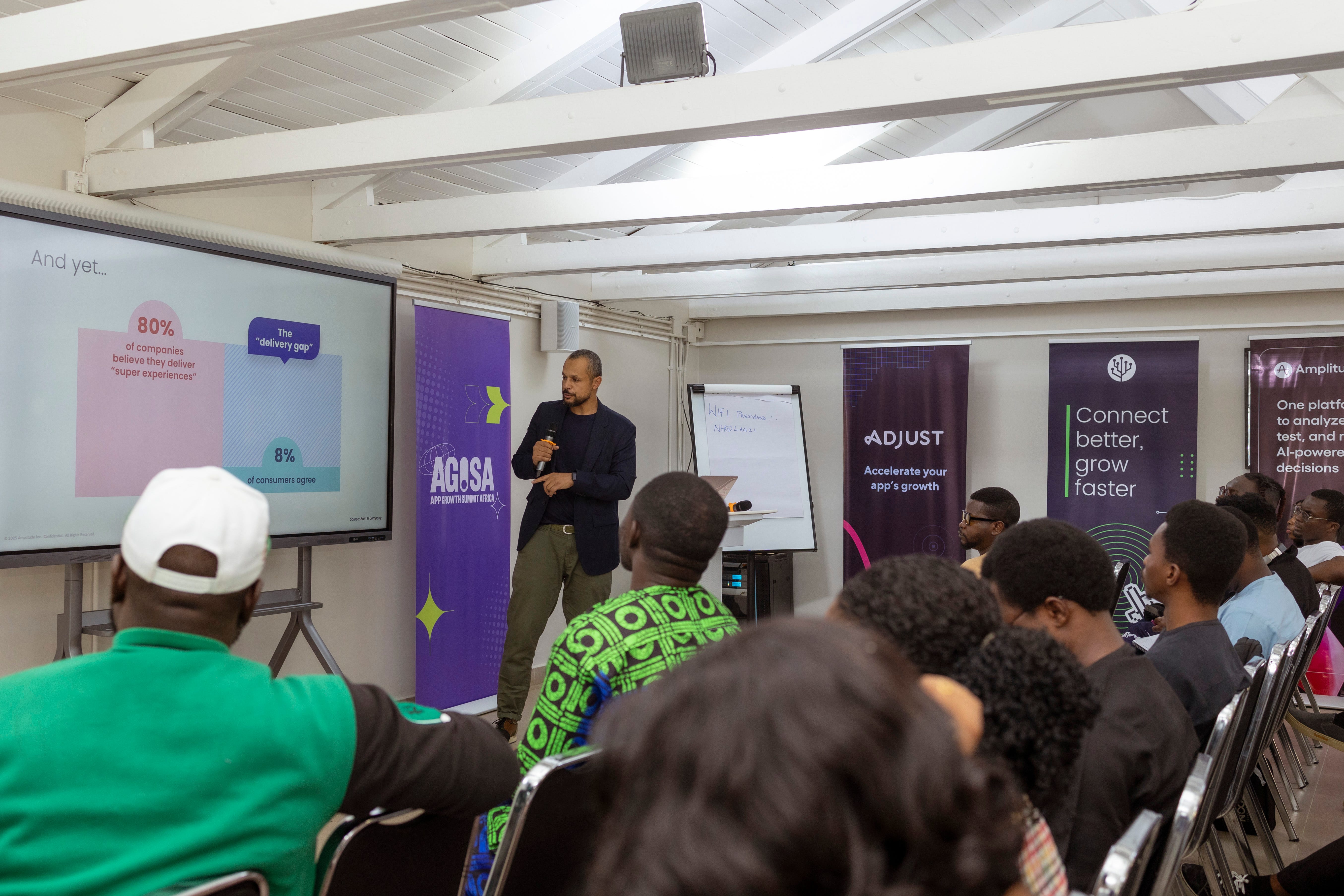
Mustafa Guechi, Regional Sales Director at Amplitude, encouraged teams to look closely at the people who come back. Which features do they use? What actions do they repeat? And how easily can a new user discover that same value?
His advice was to shortlist three to five behaviours associated with retention, then test what happens when you help more users reach them. That could mean making a useful feature easier to find or removing friction from onboarding.
The timing matters, too. Understand how often someone naturally needs your product, then build around that rhythm. Give people a useful reason to return, at a moment when it makes sense.
A message needs a good reason to interrupt someone
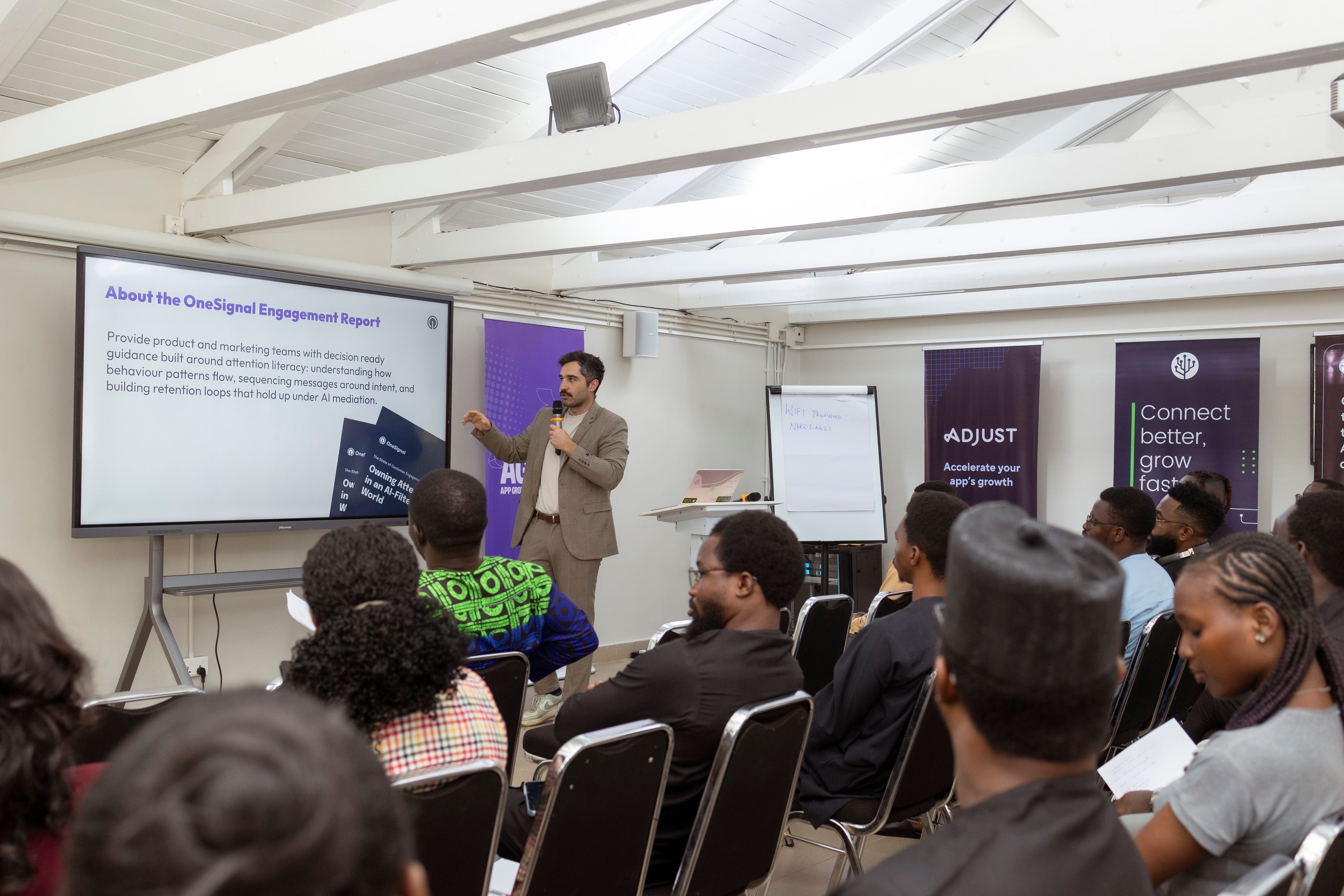
Alex Hoyland, Enterprise Sales Manager at YOUKNOW, a OneSignal partner, brought this session to both Lagos and Cape Town.
He explored what happens when Apple and Google help decide which notifications get attention, which are summarised and which disappear into the background.
His own food-delivery apps supplied the example. He had built a habit with Mr D and continued receiving its notifications. Uber Eats had been quietly switched off by his operating system.
For a lifecycle team, that is a fairly personal performance review from the phone itself.
Alex’s advice was to connect the notification with the experience after it. Make a clear promise, take the user straight to the place that delivers on it, and measure what they do next.
If a push gets opened but the user lands on a home screen and has to hunt for the offer, the journey still needs fixing.
He also shared a finding from OneSignal’s 2026 State of Engagement Report: 63% of teams measuring performance with automated cross-channel journeys reported better results from fewer messages.
That leaves a useful question for the next campaign review: does this message respond to something the customer did, or is it going out because there’s an empty slot on the calendar?
The part of retention that happens when someone needs help
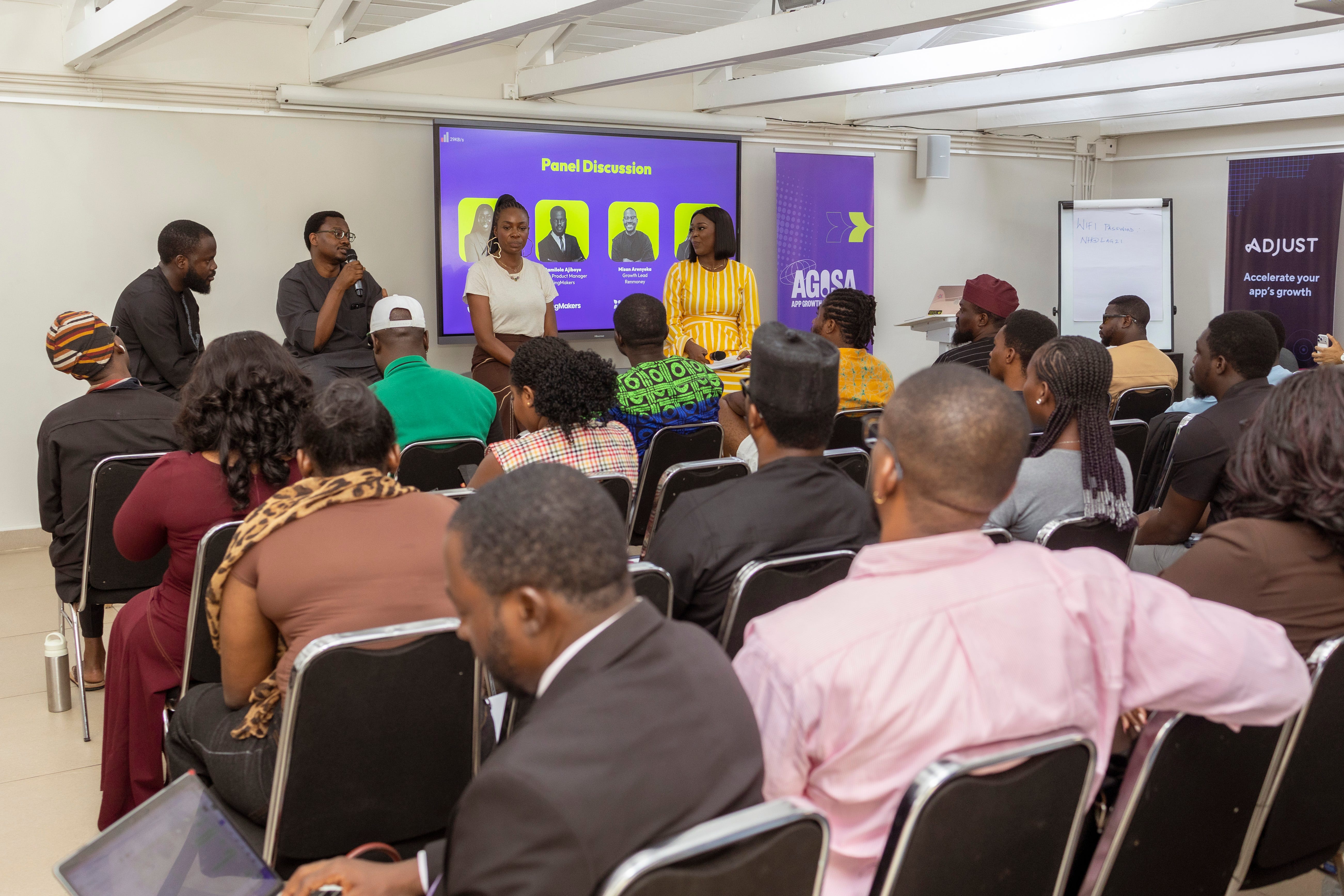
The Lagos panel brought together Damilola Ajiboye of KingMakers, Misan Arenyeka of Renmoney and Felicia Otolorin of Google, moderated by Ochuko Adeboye, Welcome Tomorrow’s Commercial Lead.
Their perspectives spanned betting, lending and financial services. The takeaways attendees highlighted included simpler onboarding, more deliberate app store messaging and the need to demonstrate returns sooner.
One deserves space in any retention conversation: customer support is a retention feature.
Someone asking for help is still trying to use your product. How quickly and clearly you respond becomes part of their decision to keep trying.
The panel was the session most often named as a favourite by Lagos attendees. Its lessons brought the discussion into everyday experiences that can be easy to overlook when the team is focused on the next acquisition target.
A week later in Cape Town, Maxime picked up the question again
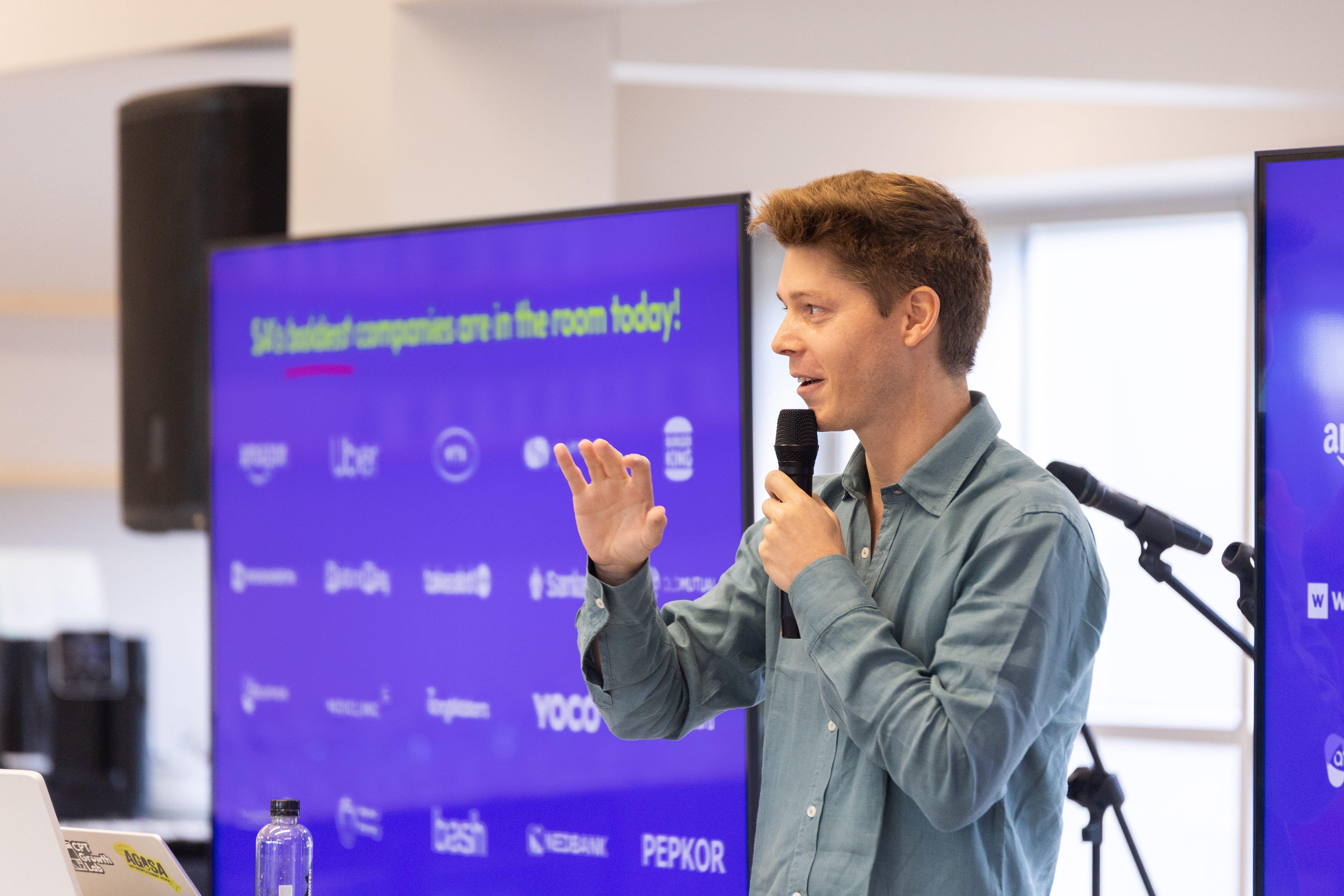
This time, the starting point was South Africa’s relationship with loyalty.
Max shared two figures that sit interestingly together: the average South African uses 10.4 loyalty programmes, while 66% still prefer a plastic card to an app.
Being a member clearly doesn’t guarantee becoming an app user.
In Lagos, Max had focused on helping a new customer progress from registration to regular transactions. In Cape Town, his session explored how an app earns a place in an existing shopping routine.
A weekly shopper who has gone quiet needs a different approach from a loyalty member who only shops in store. Understanding that difference requires the systems behind the work to agree: the same event definitions across the back end, mobile measurement partner, product analytics and CRM.
Otherwise, a very sophisticated campaign can still begin with a very confused view of the customer.
Max’s three priorities were to help people find the app, understand who they are through their behaviour, and coordinate the journey from there.
With Black Friday approaching, he also gave teams some account housekeeping: check what campaigns optimise for, exclude customers who have already converted, use deep links to relevant products or carts, and measure results against holdout groups.
Then came the longer-term question: once the discount has done its job, what gives that customer a reason to return in January?
What did your returning users experience?
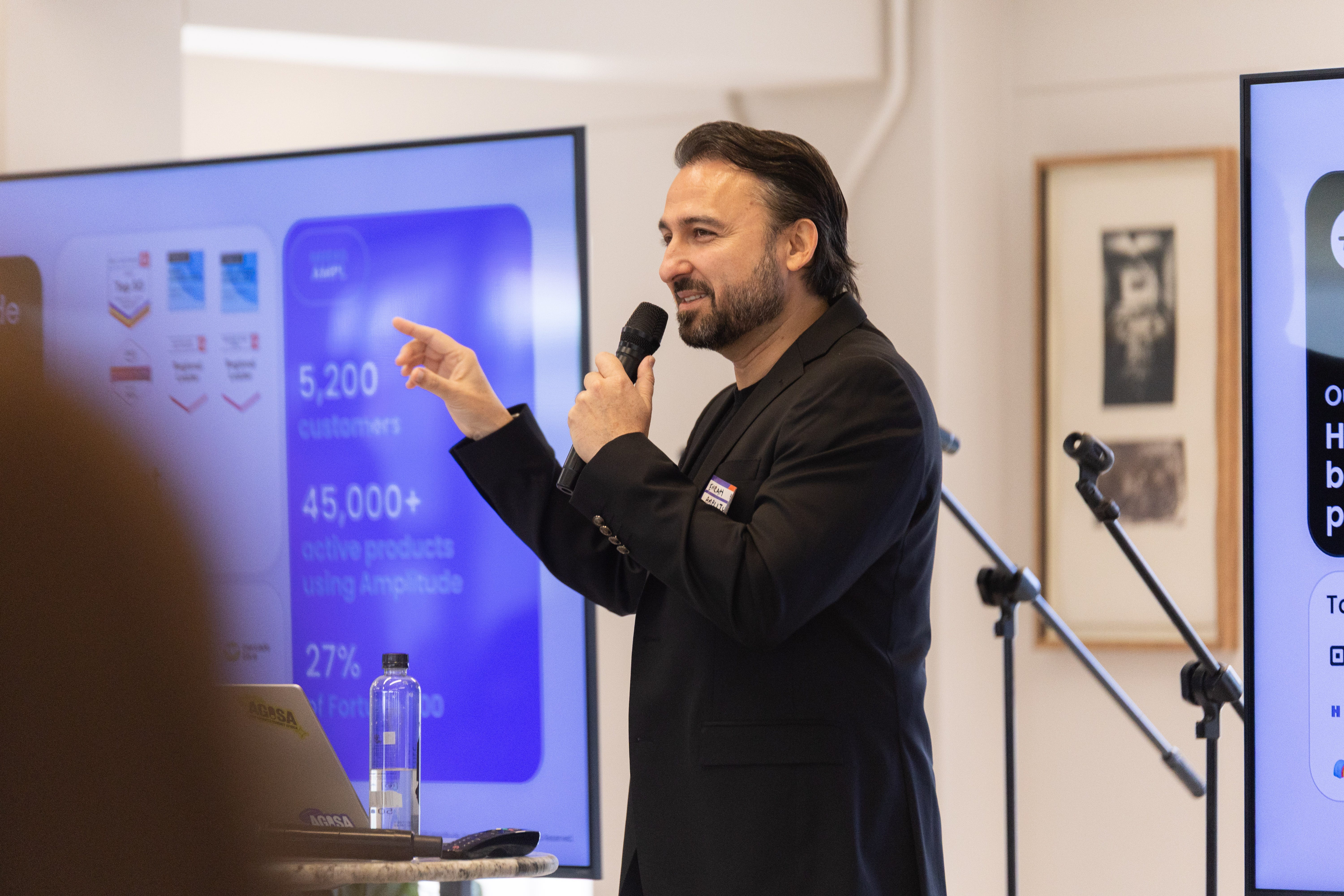
Emrah Çetin, Enterprise Sales Director for MEA at Amplitude, continued the Cape Town conversation by looking at the behaviours that signal lasting value.
His session centred on replacing attention metrics, finding the activation moment and building cohorts around what users actually do.
That activation moment gives teams something concrete to investigate. What meaningful action helps distinguish people who come back from those who leave? How easily can a new user reach it?
The examples Emrah shared included Electronic Arts reducing onboarding time by 30%, and Burger King growing loyalty participation fivefold while adding $15 million in incremental user spend.
His session connected neatly with Mustafa’s in Lagos. Across both editions, the Amplitude conversations encouraged teams to understand the experience behind the numbers, then use that understanding to improve the product.
Keep the promise all the way through
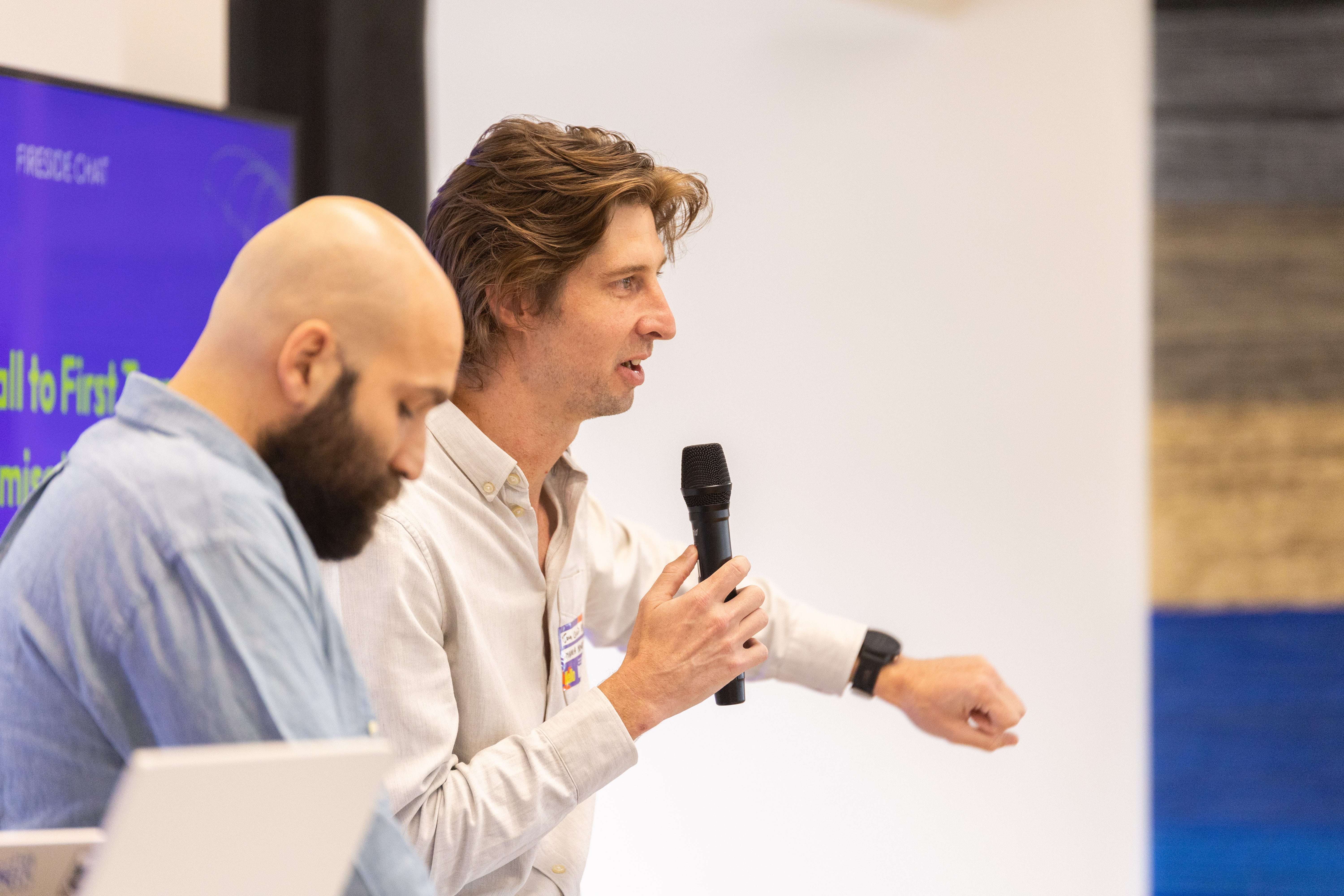
In Cape Town’s fireside chat, Mert Altunkaş, Head of Sales Türkiye & Africa at Adjust, and Jono Child, Head of Digital and Marketing at Mama Money, explored the journey from install to first money transfer.
It is a stretch of the funnel where someone is learning how a product works while deciding whether to trust it with their money.
One practical takeaway was deferred deep linking: taking a new user to the screen the ad promised, even when they first need to install the app. It keeps the original reason for their interest intact through the journey.
The closing panel widened the discussion across retail, travel and product development.
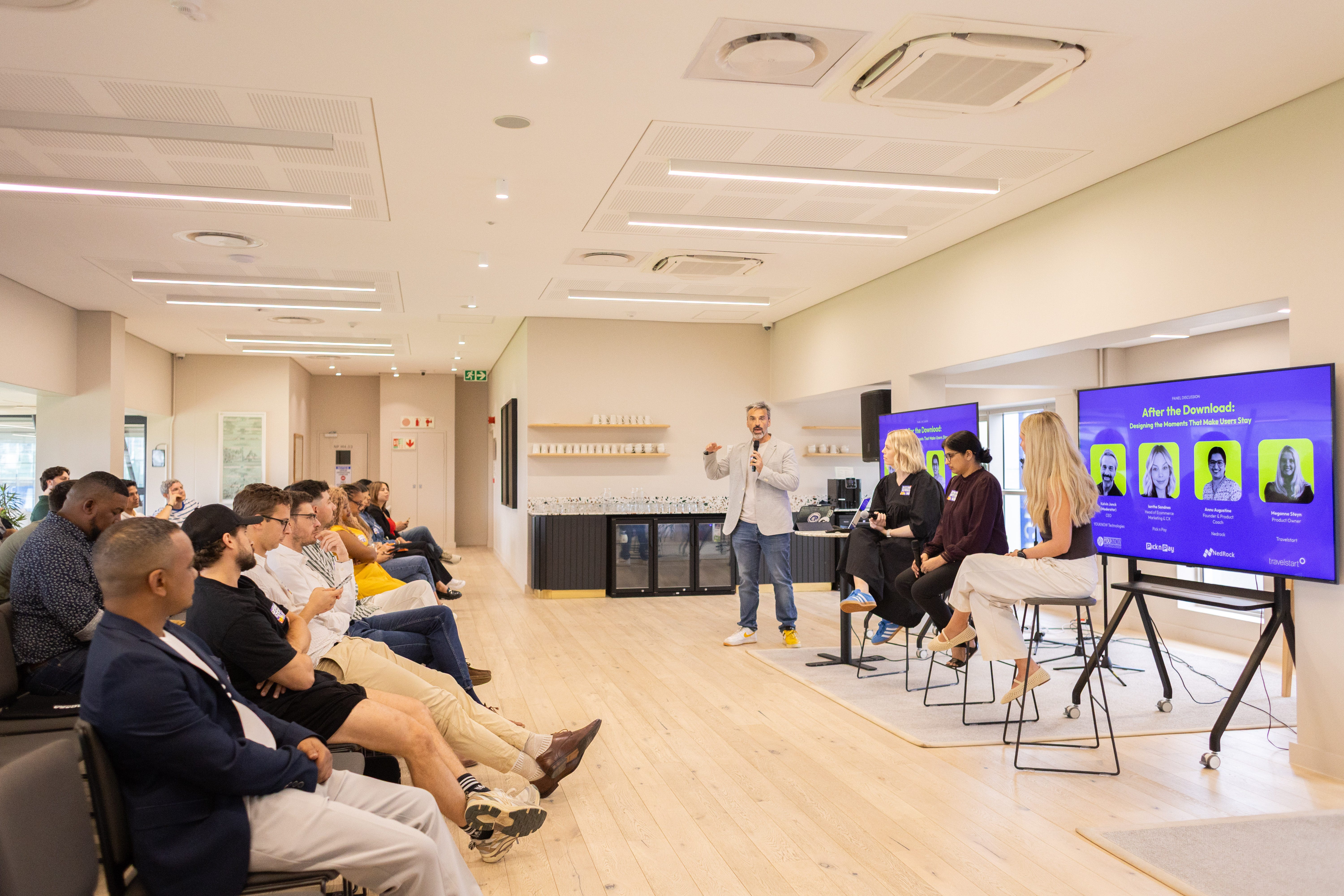
Ianthe Sandnes of Pick n Pay, Annu Augustine of Nedrock and Meganne Steyn of Travelstart joined Kelvin Jonck, CEO of YOUKNOW, to explore the moments after the download that make users stay.
By then, we had looked at the same challenge from several angles: the first useful action, the next message, the support experience and the reason to return. Each gives a team something tangible to work on.
The conversations don’t have to end here
Working on growing an app? Whether you’re in marketing, product or tech, we’d love to hear how these conversations connect with your work. What have you tried, what would you add, or what could you use a hand figuring out?
Share your experience or questions in the comments. There’s a lot we can learn from the people working through this every day 😊.
Got big goals? Let’s get to work. 🤝🏾
Tell us where you are and where you want to be and we’ll help get you there.


